
Skateboarding for Kids: The Complete Guide for Parents
Share
Skateboarding is one of the sports that has grown the most among children in Portugal and Europe. Since it entered the Tokyo Olympic Games in 2021, with athletes as young as 13 winning gold medals, the interest of young people and their parents has skyrocketed.
If your son or daughter has asked for a skateboard, you probably have several questions:
What is the minimum age? What board size? Is it dangerous? What protective gear is mandatory? How much should I spend?
This guide answers all these questions clearly and practically, so you can make the best decision for your child.
What Age to Start Skateboarding?
There is no strict minimum age, but there are useful guidelines:
2 to 4 years old — Still too early for a traditional skateboard. Consider a balance board or a very small mini cruiser as an introduction to balancing on a wheeled surface.
5 to 7 years old — A good age to start. Children have enough balance to learn the basics and the attention span to follow simple instructions. Start with short sessions of 20 to 30 minutes.
8 years old or older — Ideal age to start learning in a more structured way. Motor coordination is more developed, and progress is faster.
The most important thing is not the exact age, but the child's genuine interest. No child learns well something they were forced to do.
Is It Dangerous? The Question of Safety
This is any parent's number one concern. The honest answer: skateboarding has some risk, like any active sport, be it football, cycling, or gymnastics. But with the right protective equipment and gradual progression, it is perfectly safe for children.
Studies on skateboarding injuries show that the vast majority of injuries occur when protective gear is not used, especially helmets and wrist guards.
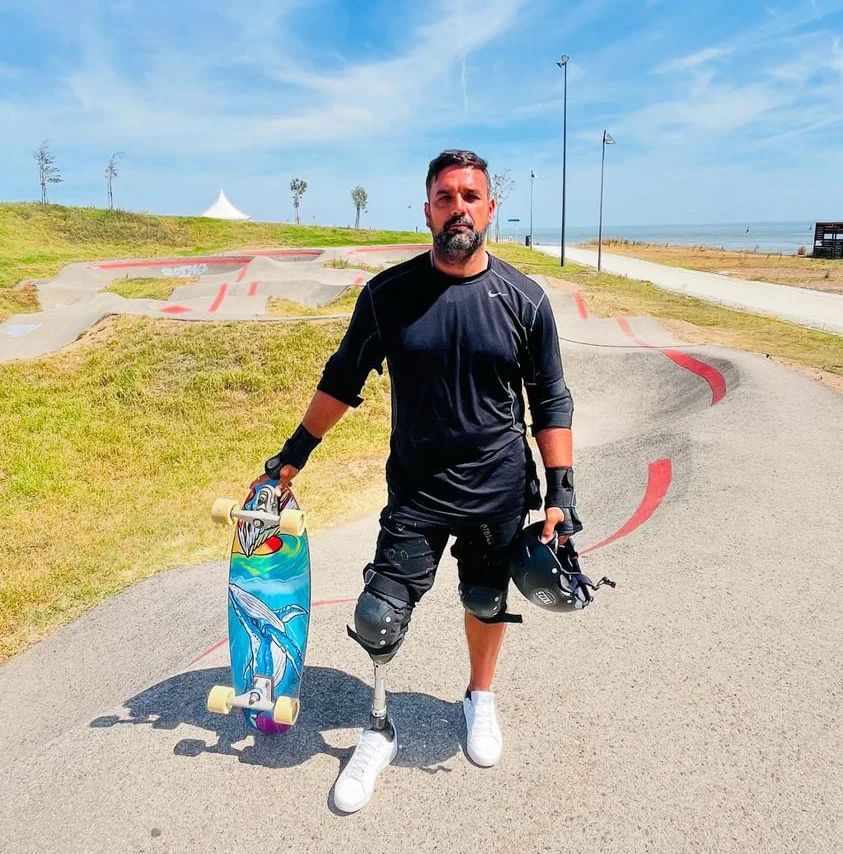
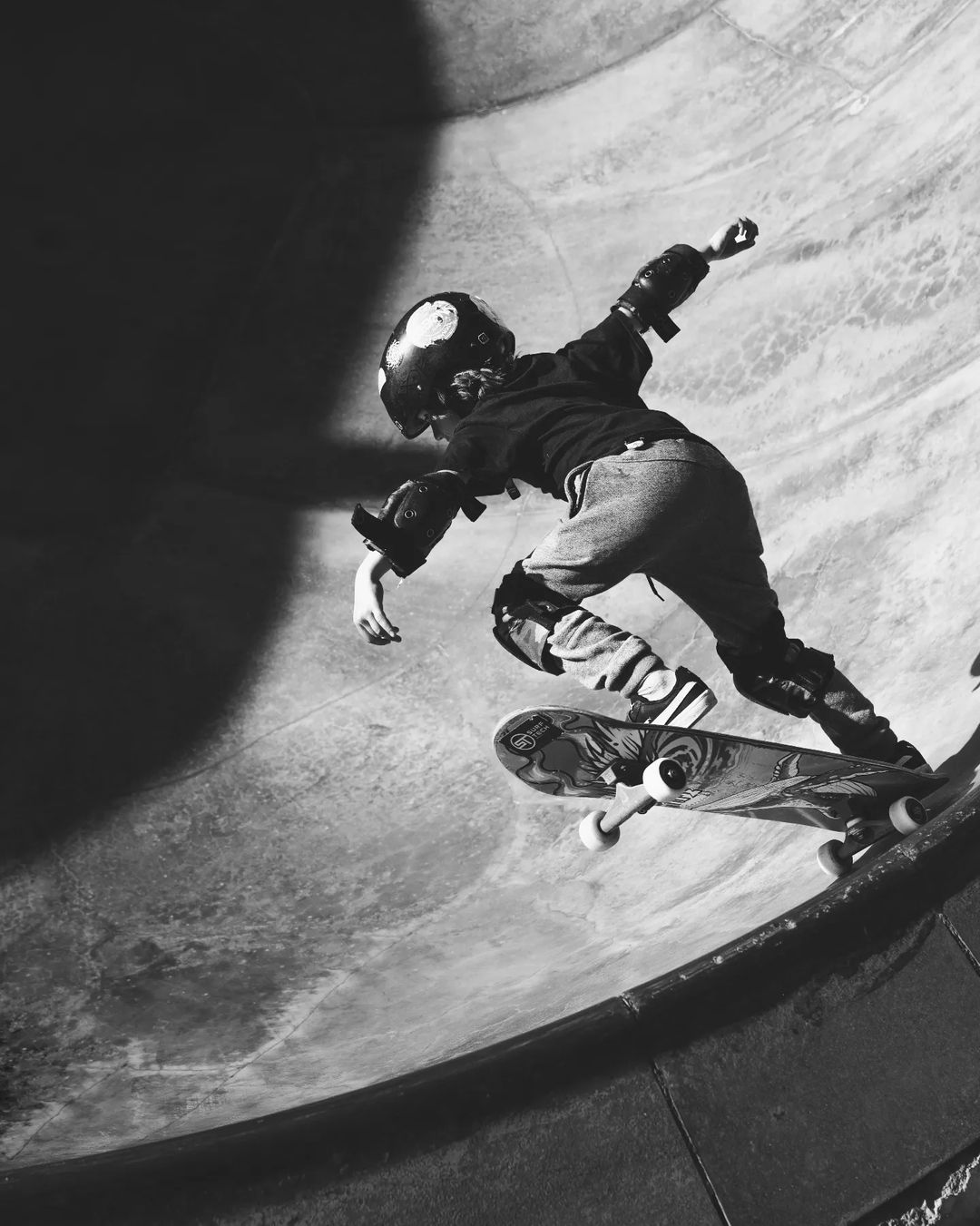
The golden rule: never without a helmet. For younger children, always add knee pads, elbow pads, and wrist guards.
What Protective Gear to Buy
Helmet
It is the most important protection and is non-negotiable. For children, look for skate-certified helmets (EN 1078 or ASTM F1492 standard). Bicycle helmets do not offer the same protection for skateboarding falls.
Brands like Pro-Tec and Triple Eight have excellent options for children, with good ventilation and a comfortable fit. The helmet should fit snugly on the head without wobbling, two fingers above the eyebrows.
Knee Pads and Elbow Pads
Essential for beginners of any age. The most common falls in skateboarding are forwards, and the knees and elbows are the first points of impact. Brands like 187 Killer Pads and Pro-Tec have quality complete sets.
Wrist Guards
Often overlooked, they are extremely important. The natural instinct when falling is to extend the hands, which puts the wrists at risk. Wrist guards drastically reduce this risk.
How to Choose the Right Skateboard Size
Board size is primarily determined by width, measured in inches. The general rule is to match the board width to the child's foot size:
| Foot size | Recommended board width |
|---|---|
| Up to 36 EU | 7.0" to 7.5" |
| 36 to 38 EU | 7.5" to 8.0" |
| 38 EU or more | 8.0" or more |
For very young children (5 to 7 years old), there are specially designed mini completes, shorter and narrower, that facilitate control and learning.
Note on length: younger children benefit from shorter boards (deck length of 28" to 30"), which are easier to control than standard adult shapes of 31" to 32".
Complete Skateboard or Assemble Piece by Piece?
For children who are starting, the answer is almost always a complete skateboard.
A complete skateboard comes assembled with a deck, trucks, wheels, bearings, and grip tape, ready to ride. It is more economical than buying all the parts separately, and for a beginner, the individual technical specifications of the parts have little impact on learning.
Avoid toy skateboards sold in large stores (supermarkets, toy stores). These skateboards have low-quality trucks and bearings that make skateboarding more difficult and frustrating, and they can also be less safe. The price of a quality complete skateboard starts at €60 to €100 and is a worthwhile investment.
When the child skates regularly and starts to have preferences, prefers harder wheels, or wants different trucks, then it makes sense to start customizing piece by piece.
Types of Skateboards: Which One to Choose for Your Child?
In addition to the traditional skateboard, there are other modalities that may be more suitable depending on the child's profile:
Street/Park Skateboard — The classic skateboard, ideal for learning tricks, riding in skate parks and on the streets. It is the most versatile choice.
Cruiser — Wider and shorter boards, with larger and softer wheels. More stable and comfortable for riding in a straight line and navigating urban routes. Great for children who want to ride but are not particularly interested in tricks.
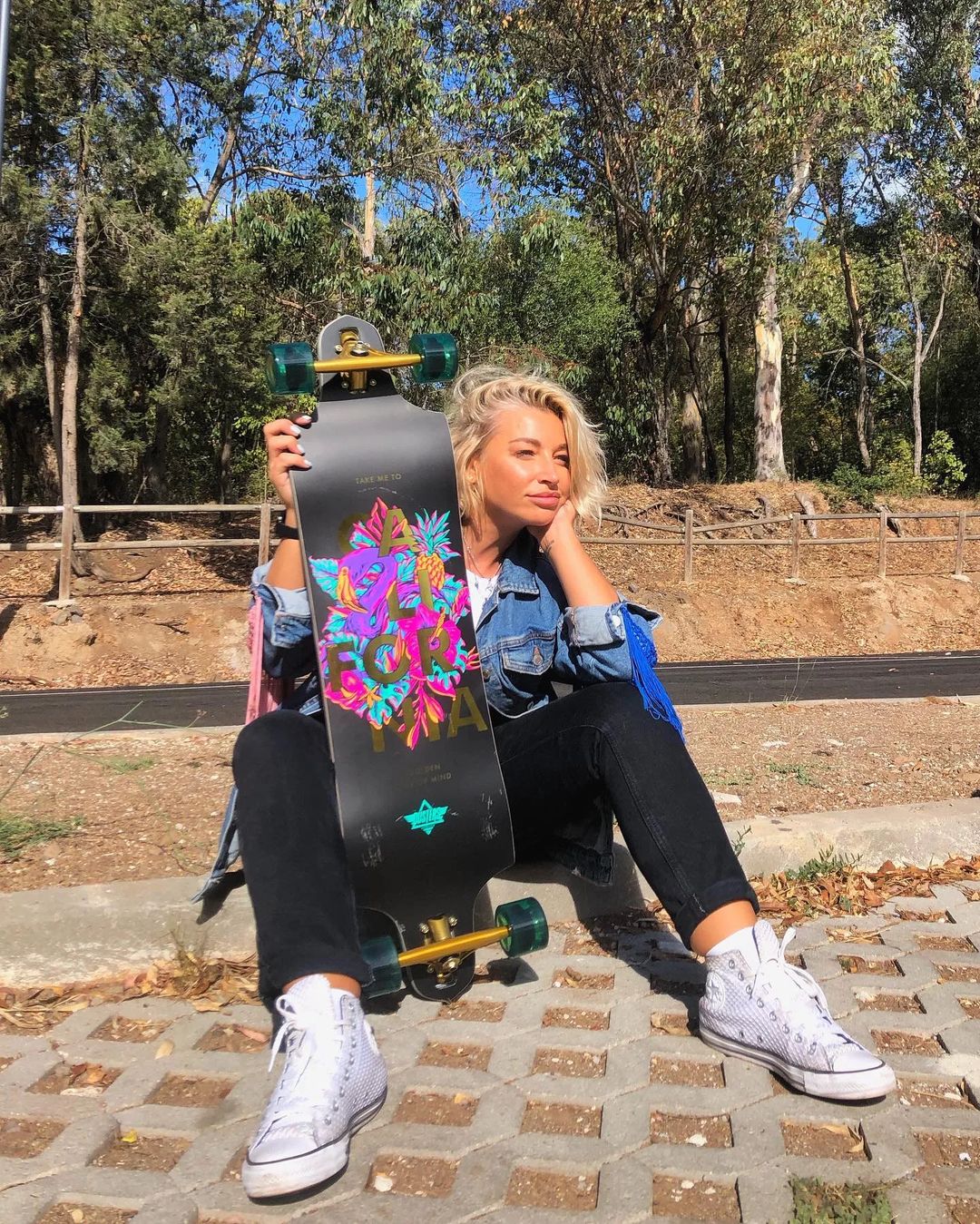
Longboard — Longer and more stable, ideal for children who want to learn balance gradually or for longer journeys. Not suitable for skate parks.
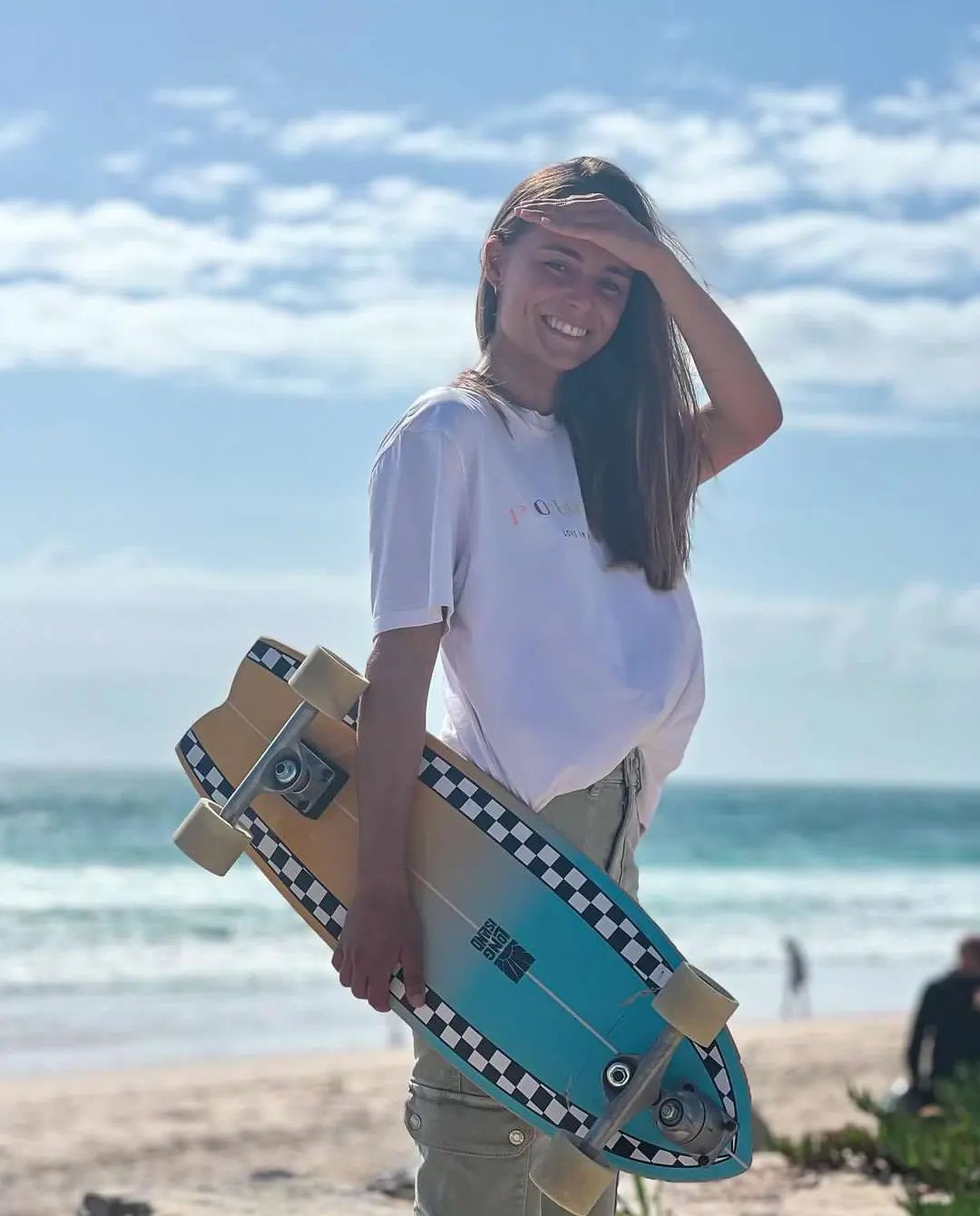
Surfskate — A combination of skateboard and surf, with a front truck system that allows fluid movements similar to surfing. Popular among children who surf or want something different.
Where to Learn: Tips for the First Steps
Choose the right surface — Start on smooth, flat surfaces, away from cars. Empty parking lots on weekends are perfect. Avoid Portuguese cobblestones in the first few days.
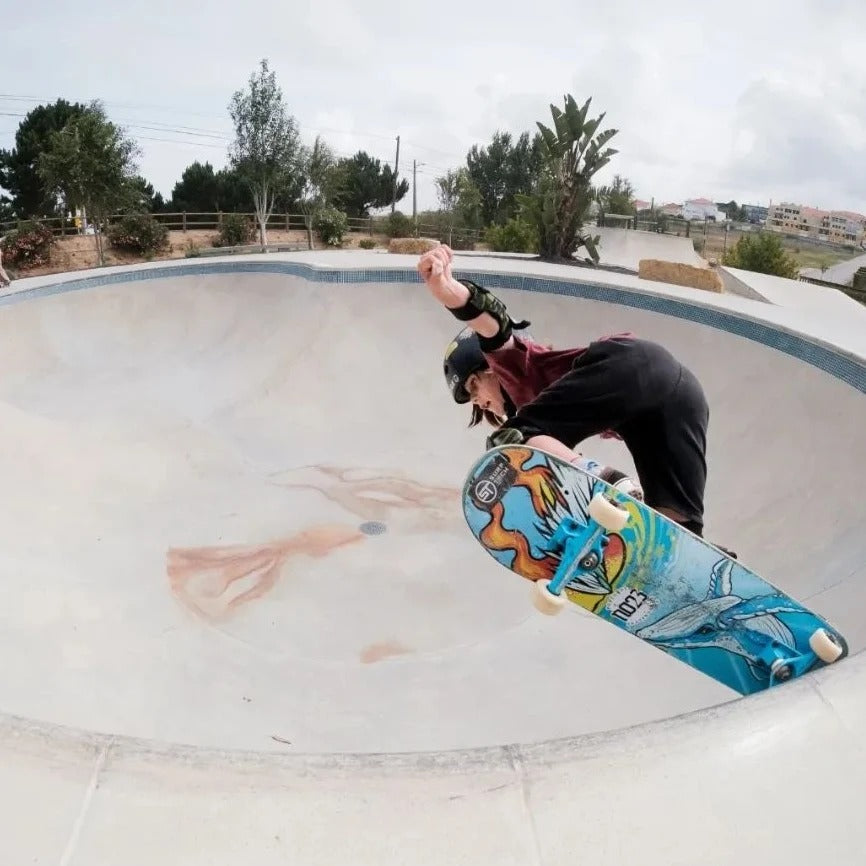
Skate parks — Many municipalities have free skate parks. They are great because the surface is smooth, there are other skaters to learn from, and the environment is welcoming for beginners. Go during quieter times (weekday mornings, if possible) so the child has space to make mistakes without pressure.
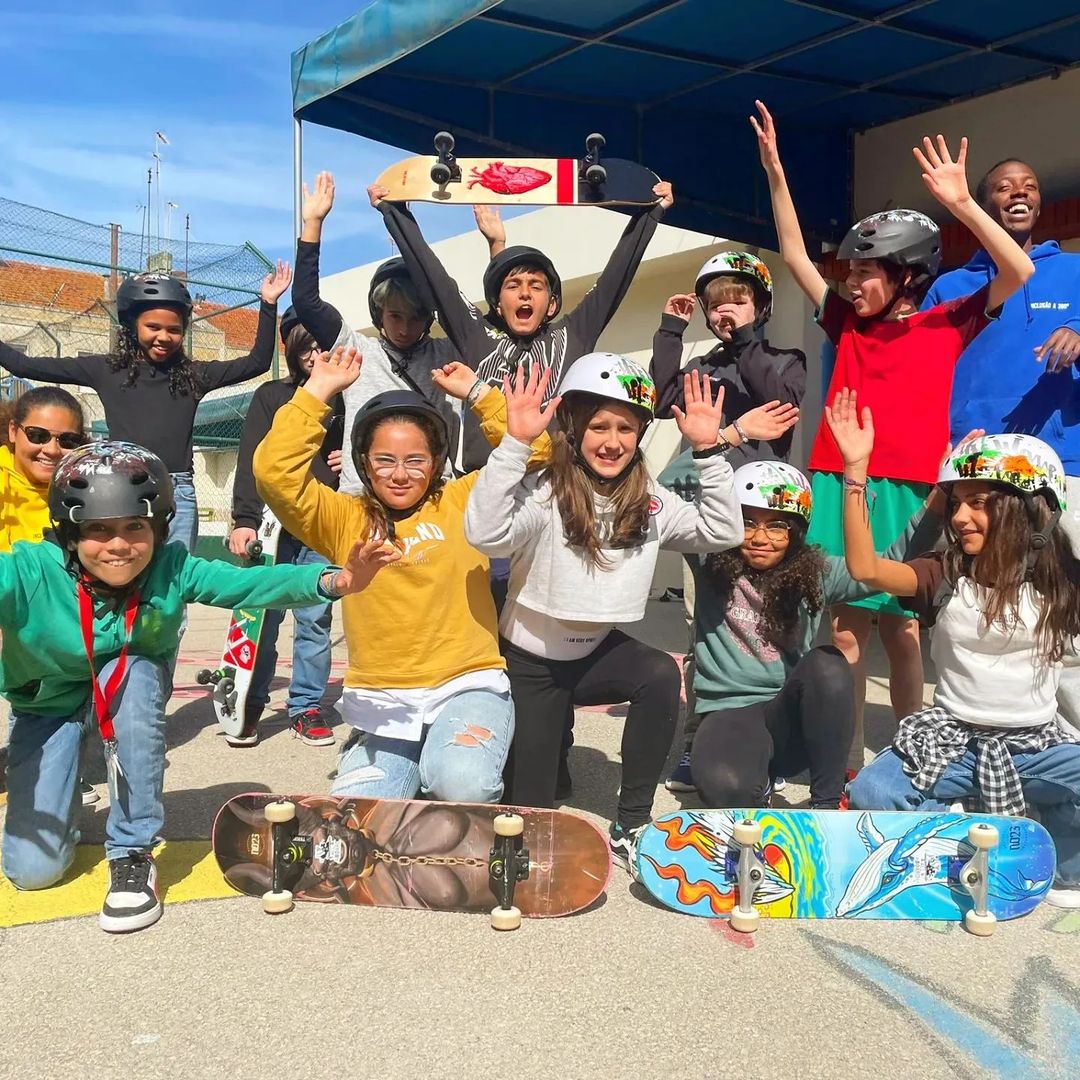
Classes or workshops — In many cities, there are skateboarding classes for children, especially in the summer. They are an excellent way to start with proper technical guidance.
Patience and encouragement — Skateboarding has a steeper initial learning curve than other sports. Falling is part of it. The role of parents is to encourage without pressure, letting the child progress at their own pace.
How Much Should I Spend?
Avoid the temptation to buy the cheapest equipment possible. A €20 toy skateboard will frustrate the child and can be dangerous. A reasonable initial investment ensures a positive experience, and if the child enjoys it, that investment will last for years.
Signs Your Child Is Ready to Progress
Over time, you will notice that the child is progressing and may want more specific equipment:
- Rides confidently and can already turn and brake
- Starts wanting to try the skate park and small ramps
- Asks to learn specific tricks
- The complete skateboard starts to show natural wear and tear
At this point, it makes sense to invest in better quality individual parts, more responsive trucks, wheels adapted to the type of practice, and seek guidance from a more experienced skater or instructor.
Final Considerations
Skateboarding is much more than a sport. It is a form of expression, a community, a school of perseverance. Children who skateboard learn that falling is part of the process, that persistence pays off, and that progress is made one trick at a time.
As a parent, your role is simple: provide the right equipment, ensure safety, and let the child discover the rest at their own pace.
The rest happens naturally.
NO23 Skateboards has a complete selection of skateboards for children, including completes, protective gear, and accessories, with shipping to Portugal and across Europe. Explore the brands we have available on the website.